Introduction to Indian Culture
Indian culture is a rich tapestry woven from a myriad of traditions, languages, religions, and practices. It is a celebration of diversity, reflecting the country's long history and the influences of various civilizations that have thrived on its soil. From the ancient philosophies of Hinduism and Buddhism to the vibrant festivals and culinary delights, Indian culture offers a unique experience that is both profound and colorful.
At 91 Bharat Club, we aim to be your trusted resource for exploring the depths of Indian culture. Our mission is to provide you with valuable insights, cultural resources, and community connections that enrich your understanding of this remarkable heritage. Whether you are seeking information on traditional practices, festivals, or community events, we are here to guide you.
Understanding the Essence of Indian Culture
Indian culture is characterized by its diversity and complexity. It encompasses various aspects such as religion, art, music, dance, and cuisine, each contributing to the cultural mosaic of the nation. The essence of Indian culture lies in its ability to blend tradition with modernity while maintaining strong ties to its historical roots.
Religious Diversity
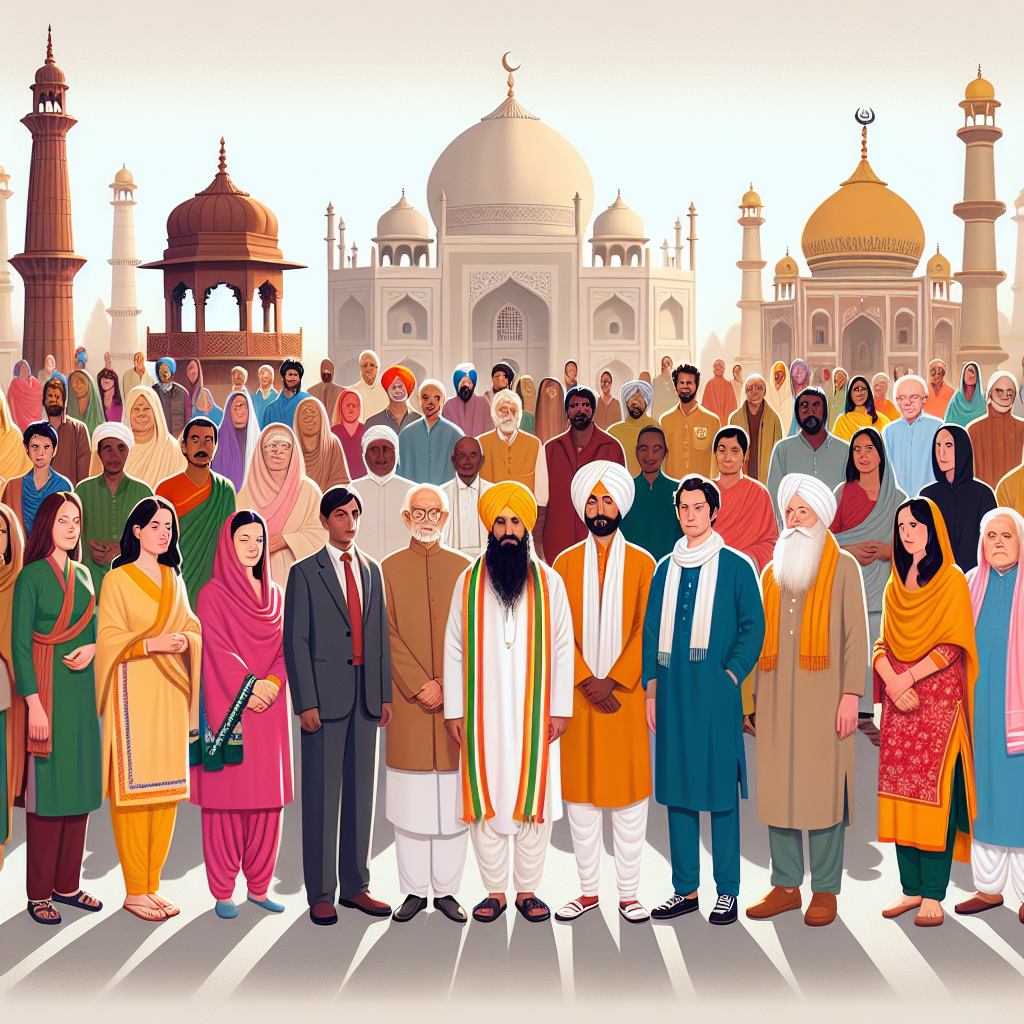
India is known for its religious plurality, with major religions such as Hinduism, Islam, Christianity, Sikhism, Buddhism, and Jainism coexisting. Each religion brings its own set of beliefs, rituals, and festivals, enriching the cultural landscape of the country.
- Hinduism: With its vast pantheon of gods and goddesses, Hinduism forms the cornerstone of Indian culture, influencing art, architecture, and social practices.
- Islam: The second-largest religion in India, Islam has contributed significantly to the country's cultural heritage, especially in the fields of music, poetry, and cuisine.
- Christianity: With a presence dating back to the arrival of St. Thomas, Christianity has played a vital role in shaping Indian culture, particularly in education and social services.
- Sikhism: Originating in the Punjab region, Sikhism emphasizes community service and equality, which are integral to Indian social fabric.
Arts and Literature
The arts in India are a reflection of its diverse cultural heritage. Traditional forms of art, such as painting, sculpture, and textile design, often carry deep symbolic meanings and are rooted in religious beliefs and local traditions.
- Classical Dance: India boasts several classical dance forms like Bharatanatyam, Kathak, Odissi, and Kathakali, each with its unique style and storytelling methods.
- Music: From classical to folk, Indian music is characterized by its intricate rhythms and melodies. Instruments like the sitar, tabla, and harmonium are integral to its musical heritage.
- Literature: Indian literature spans centuries, with ancient texts like the Vedas and epics such as the Mahabharata and Ramayana laying the foundation for modern literary expressions.
Festivals: Celebrating Indian Culture
Festivals are an integral part of Indian culture, offering a glimpse into the country's rich traditions and community spirit. They bring people together, fostering a sense of belonging and cultural pride.
Major Festivals
India is famous for its colorful festivals, celebrated with great enthusiasm across different regions. Each festival has its significance, rituals, and customs.
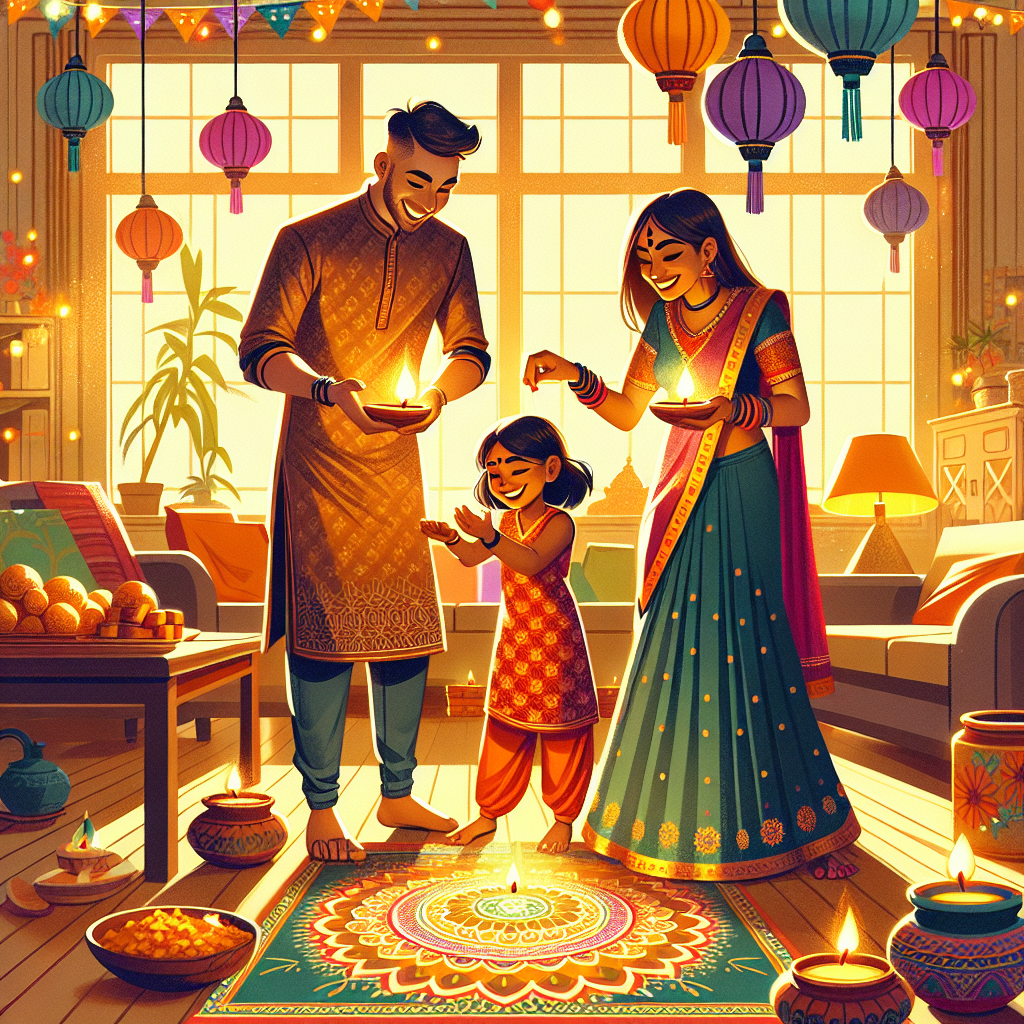
- Diwali: Known as the festival of lights, Diwali symbolizes the victory of light over darkness and good over evil.
- Holi: The festival of colors, Holi is celebrated with joyous gatherings, where people splash colors and share sweets.
- Eid: A significant festival for Muslims, Eid marks the end of Ramadan and is celebrated with feasting and prayers.
- Christmas: Celebrated by Christians, Christmas reflects themes of love, joy, and community spirit.
Regional Festivals
In addition to national festivals, India boasts a plethora of regional festivals that highlight local customs and traditions. Examples include Baisakhi in Punjab, Onam in Kerala, and Durga Puja in West Bengal, each showcasing unique cultural elements.
Culinary Diversity: A Taste of Indian Culture
Indian cuisine is as diverse as its culture, with each region offering its own distinctive flavors, ingredients, and cooking techniques. Food plays a vital role in Indian culture, often being the centerpiece of festivals, family gatherings, and community celebrations.
Regional Cuisines
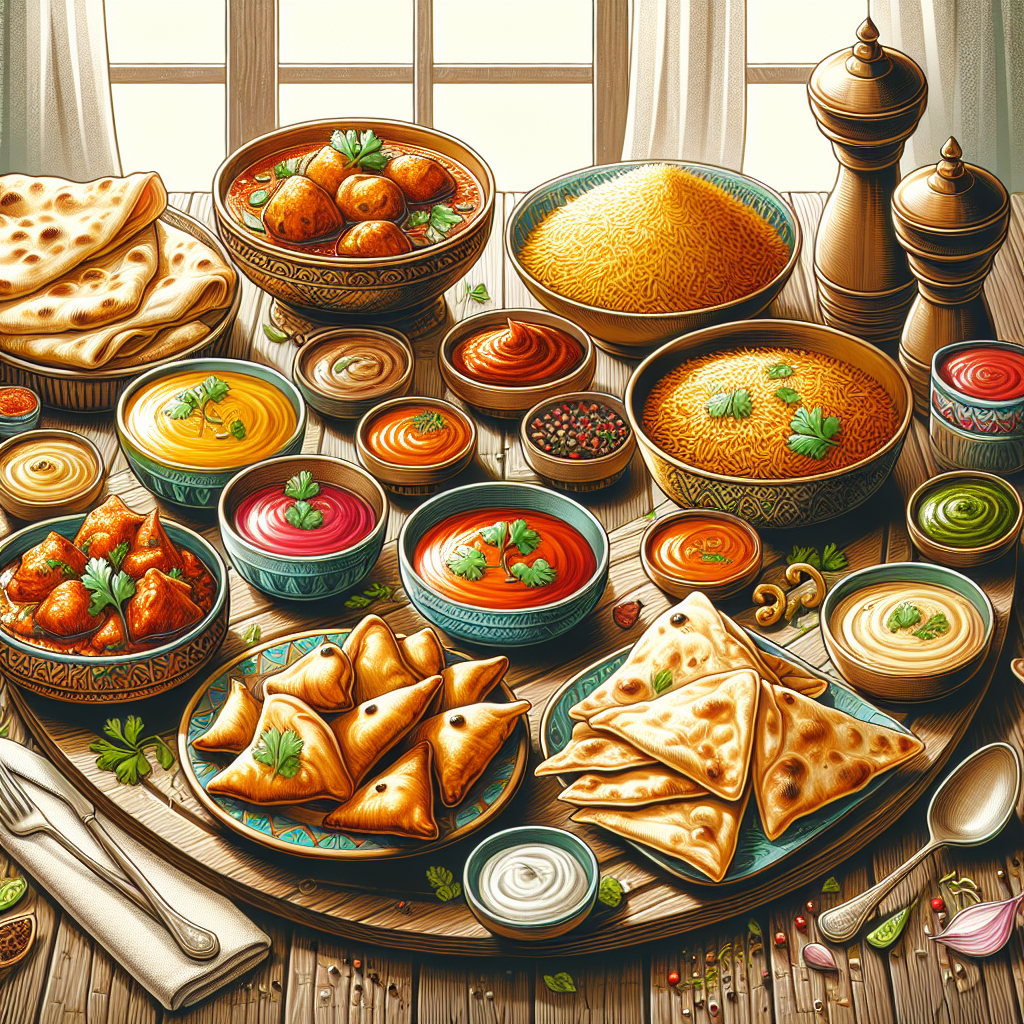
India's culinary landscape is a reflection of its geography, climate, and cultural influences. From the spicy curries of the South to the rich gravies of the North, Indian food is a delightful exploration of flavors.
- North Indian Cuisine: Known for its use of dairy products and spices, dishes like butter chicken and paneer tikka are popular.
- South Indian Cuisine: Characterized by rice, lentils, and coconut, South Indian dishes like dosa and idli are staples.
- East Indian Cuisine: Famous for its sweets and fish dishes, Bengali cuisine is a culinary treasure.
- West Indian Cuisine: Known for its diverse flavors, from the spicy curries of Maharashtra to the sweet dishes of Gujarat.
Food and Culture
Food in India is not just about sustenance; it is an expression of culture and identity. Meals are often shared with family and friends, reflecting the strong community bonds that are central to Indian life.
Community Insights: The Heart of Indian Society
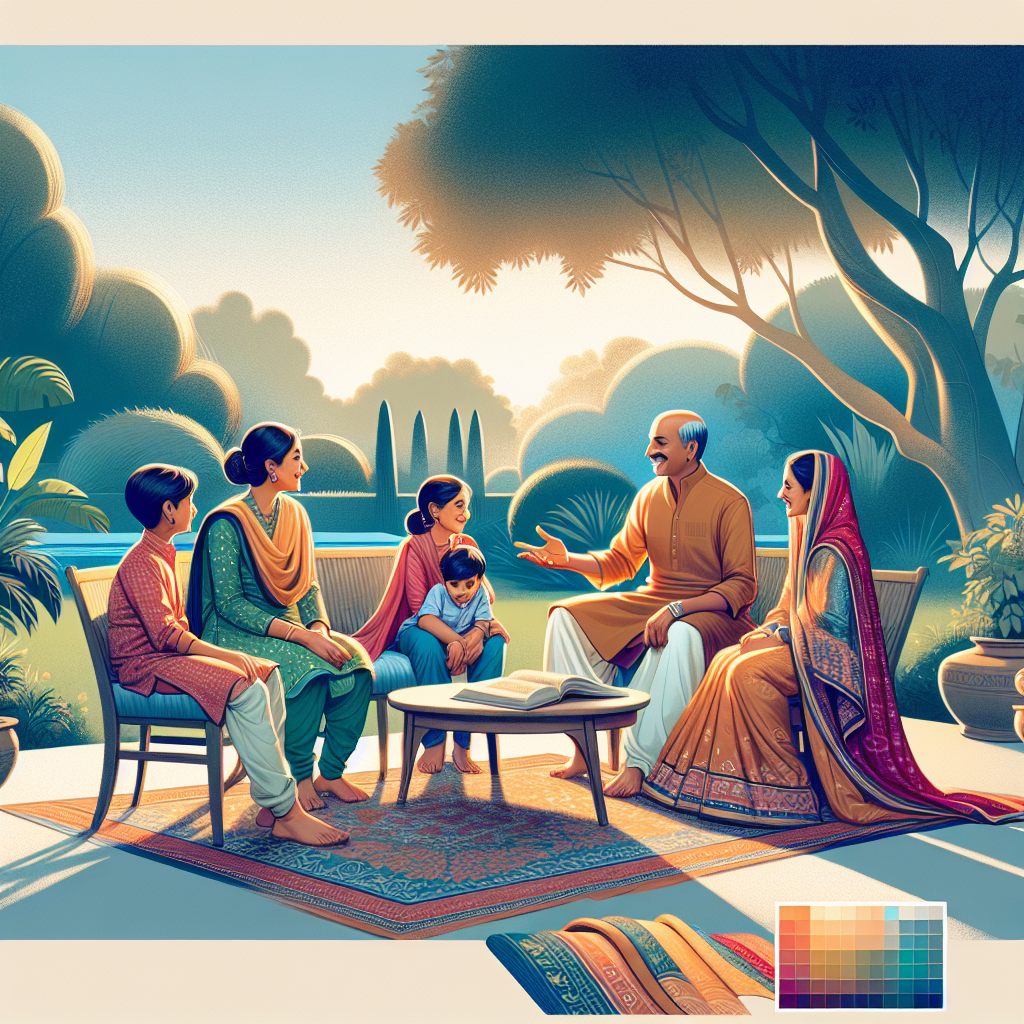
The concept of community is deeply ingrained in Indian culture. Families and communities play a pivotal role in shaping individual identities and social interactions. Understanding community dynamics is essential for appreciating the fabric of Indian society.
Family Structure
Traditionally, Indian society is characterized by joint family systems, where extended families live together. This structure fosters strong familial ties and shared responsibilities.
- Support System: Joint families provide emotional and financial support, creating a safety net for members.
- Social Values: Values of respect, duty, and care are emphasized, shaping individual behavior and relationships.
Community Celebrations
Communities in India come together to celebrate various events, from religious festivals to local fairs. These gatherings reinforce social bonds and promote cultural continuity.
- Festivals: Community participation in festivals fosters unity and shared cultural experiences.
- Local Events: Fairs and melas provide platforms for showcasing local crafts, cuisine, and traditions.
Cultural Learning: Preserving Heritage
Cultural learning is essential for preserving and passing on the rich heritage of India. It involves understanding traditions, languages, and practices that have shaped Indian identity over time.
Role of Education
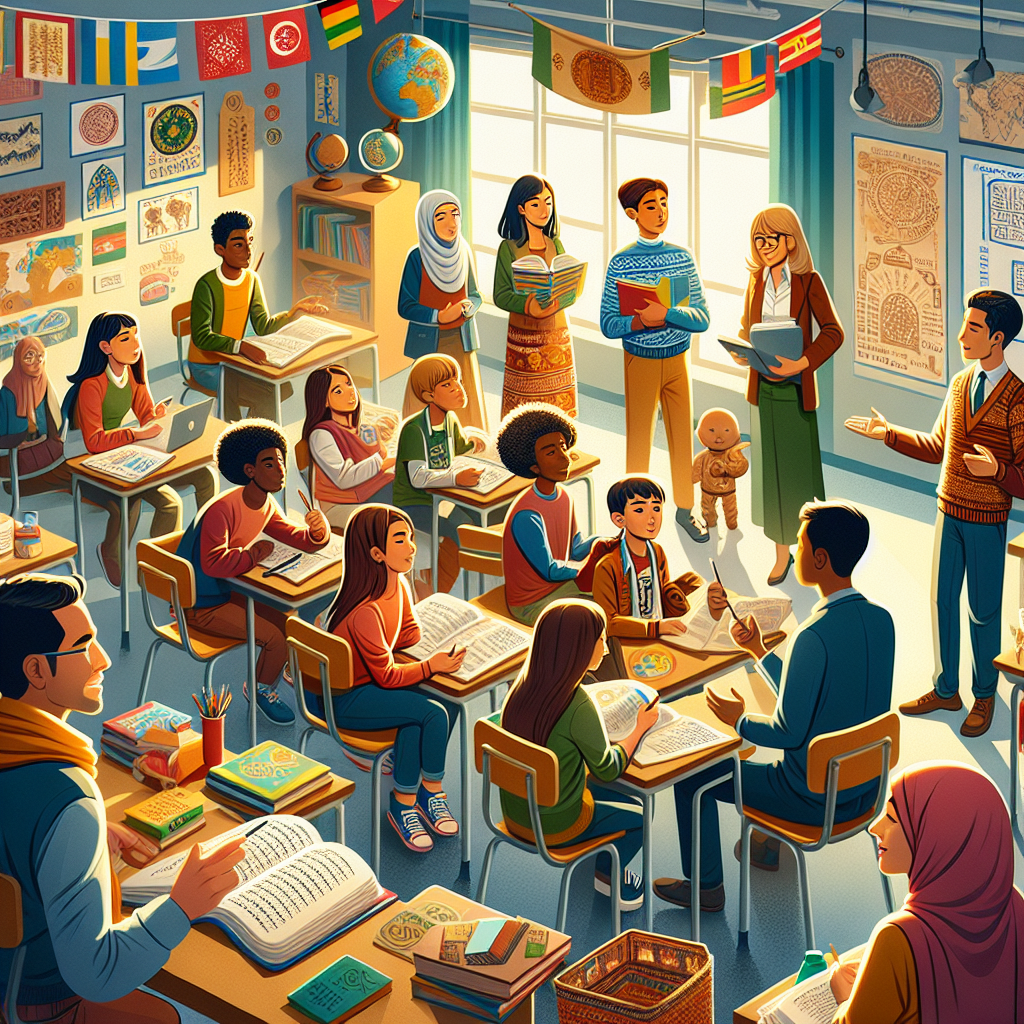
Educational institutions play a crucial role in cultural learning, providing platforms for students to explore their heritage.
- Curriculum: Schools often incorporate local history, languages, and arts into their curriculum, promoting cultural awareness.
- Extracurricular Activities: Cultural clubs and events encourage students to engage with their heritage through performances and workshops.
Community Initiatives
Grassroots initiatives aim to preserve local traditions and promote cultural learning among younger generations. These efforts include workshops, cultural festivals, and heritage walks that foster appreciation for India's diverse cultural landscape.
Conclusion
91 Bharat Club is dedicated to being your trusted resource for exploring Indian culture. From understanding the diverse religious practices and vibrant festivals to appreciating the culinary richness and community dynamics, we strive to provide reliable information and cultural resources. Join us in celebrating the beauty of Indian traditions and heritage, and become a part of our community that values cultural learning and shared experiences.